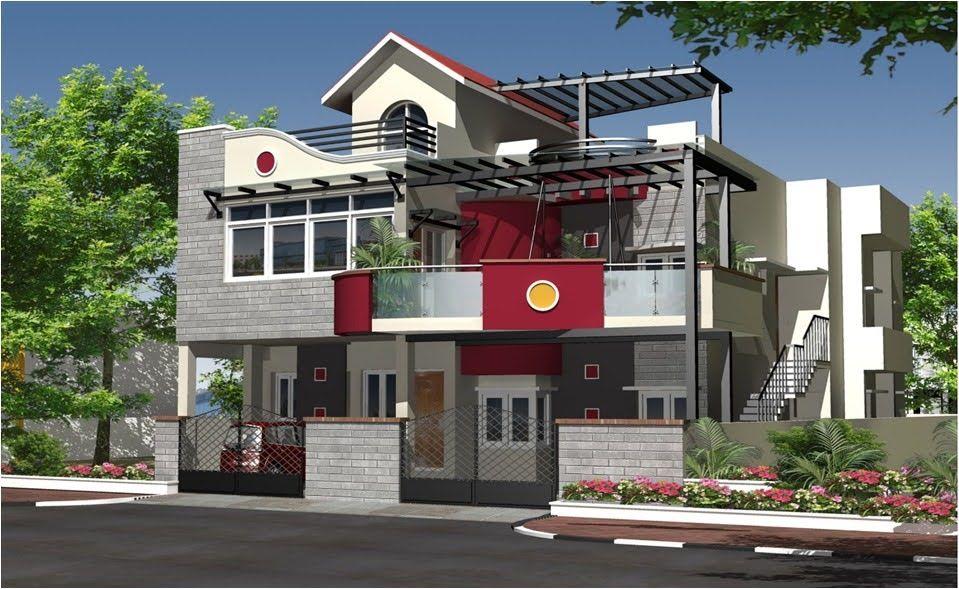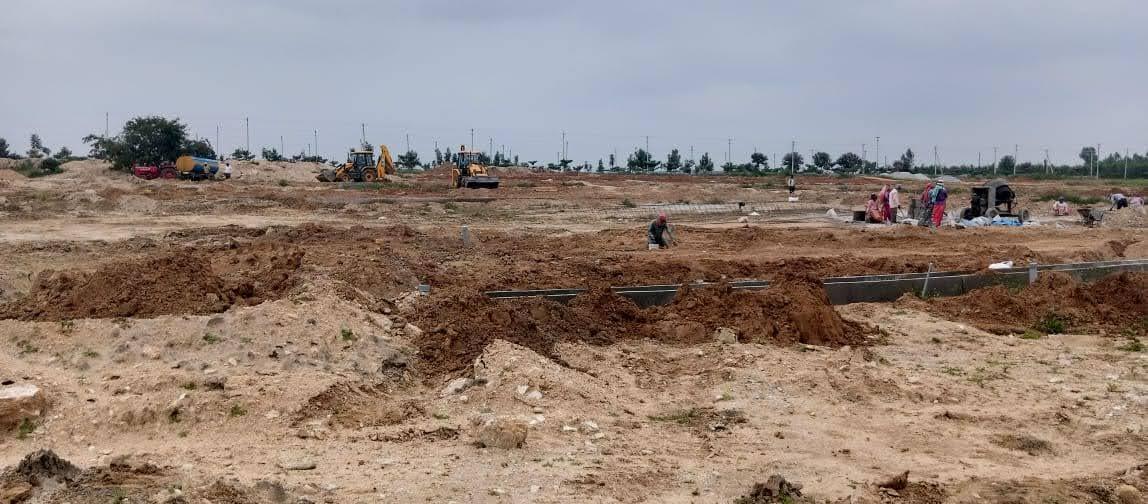
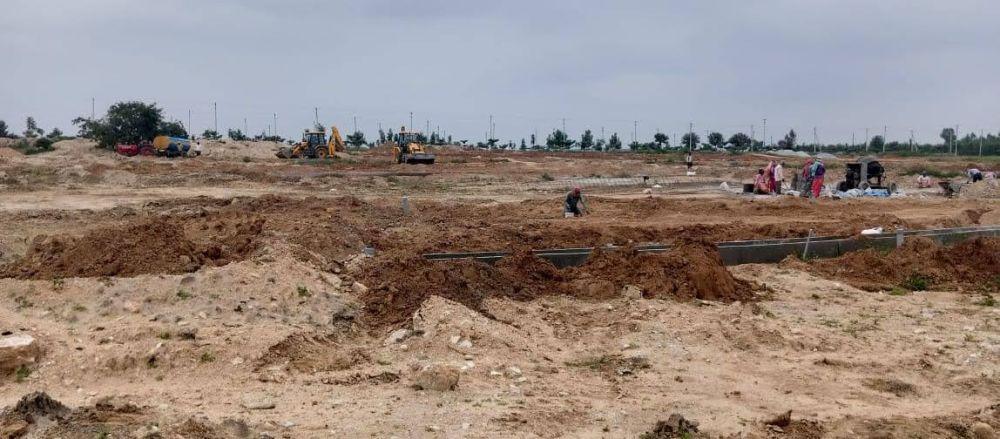
A piece of empty land only becomes valuable as a layout or a campus when it is serviced — roads, drains, water, power and approvals. That is the work of infrastructure and layout development. It is less visible than a building, but it decides whether everything built on top can function for decades. Here is what the journey from raw land to ready-to-build plots actually involves.
1. Start With Surveys and Soil Investigation
Development begins below ground. A topographic survey maps the contours of the land, which drives road gradients and stormwater planning. A geotechnical investigation tells you what you are building on — soft soil, rock, or high water table — so that compaction, road layers and utility trenches are designed correctly instead of guessed.
2. Master Planning Roads and Plot Geometry
The layout plan fixes the road network, plot sizes, open spaces, parks and access points. Good master planning does three things at once: it maximises usable plot area, keeps circulation smooth for vehicles and utilities, and leaves the mandatory open spaces and setbacks that approvals require. Every plot must have clear, legal access — there is no shortcut to this.
3. Grading, Earthwork and Stormwater
Once the plan is agreed, the land is graded to the design levels. Cut and fill quantities have to balance so that material stays on site wherever possible. Stormwater drains are laid before internal roads so that water always has a defined path — poorly planned drainage is the most common cause of waterlogging in layouts during Bengaluru's rains.
4. Utilities: Water, Sewage, Power and Telecom
Serviced plots are worth more because they have utilities already delivered to the plot line:
- Water: distribution network with proper pressures and washout points.
- Sewage: trunk mains or a decentralised STP sized for the full layout, with correct gradients.
- Power and telecom: ducting and cable schedules planned before roads are completed — never digging up a finished road to lay a cable.
5. Roads and Surface Works
Roads follow the standard build-up: compacted sub-grade, granular sub-base, base course and finally the wearing course. Kerbs, footpaths, street lighting and junction visibility are all part of the same deliverable. A layout is judged by its roads — they are the first thing residents and authorities see, and the most used infrastructure in the development.
6. Documentation and Approvals
Infrastructure work only means anything if the paperwork is complete. A development needs layout sanction, conversion of land use where applicable, and final completion documentation from the local authority. Keeping documents moving in parallel with physical works is what separates a layout that gets approved from one that gets stuck.
What the Developer Finally Receives
Finished work means more than today's roads. It means a serviced development where plot owners, builders or the client's own project teams can start construction immediately — with drainage that works in heavy rain, utilities at the plot line, and a clear approval file. When infrastructure is done with long-term margins for error, every building that later stands on it benefits.